Choosing the right window blinds can transform a room, but many homeowners still wonder which is better: cordless vs. corded blinds. This decision affects not only the appearance of your space but also its safety, convenience, and long-term functionality.
In this blog, we’ll break down cordless blinds and corded blinds in a true head-to-head comparison. You’ll learn about safety benefits, ease of use, cost, maintenance, and overall performance. We’ll also examine the design appeal and how each option complements modern or traditional home decor. By the end, you’ll know which choice fits your lifestyle and home best—whether you’re drawn to the sleek look of cordless blinds or the classic control of corded blinds.
Safety First: Cordless vs. Corded Blinds
Safety is often the deciding factor when comparing cordless vs. corded blinds.

Child and Pet Safety Concerns
Corded blinds can pose risks to young children and pets, as dangling cords may become entanglement hazards. Cordless blinds eliminate this risk, making them a safer and more family-friendly option.
Home Safety Considerations
Beyond kids and pets, cordless blinds also reduce the risk of wear and tear from cords snapping or tangling, ensuring safer everyday use in high-traffic households.
Ease of Use and Functionality
Functionality plays a big role in choosing window blinds.
Convenience in Everyday Use
Cordless blinds operate with a simple push or pull, offering smooth control without the need for cords to get in the way. Corded blinds, however, provide precise adjustment for homeowners who prefer more traditional control.
Motorization and Smart Integration
Cordless blinds can often be paired with motorization or smart home systems, allowing you to adjust them with a remote, phone app, or voice command. While corded blinds can also be motorized, cordless designs are more naturally suited for automation and modern living.
Design Appeal and Aesthetic Value
Blinds aren’t just functional—they’re part of your home decor.
Modern vs. Traditional Look
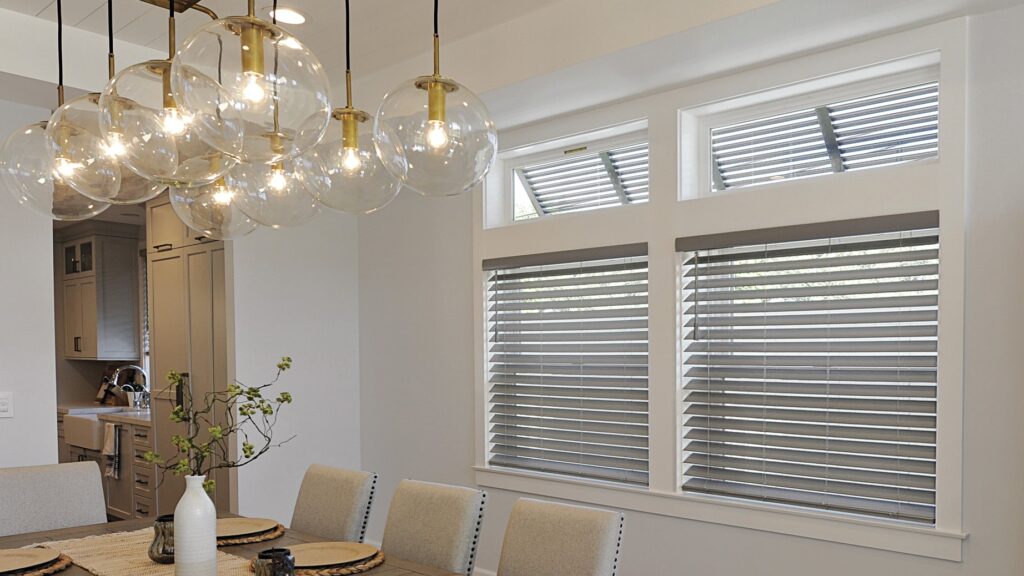
Cordless blinds deliver a clean, uncluttered aesthetic that suits contemporary spaces. Corded blinds, on the other hand, often complement traditional interiors with their classic, functional design.
Seamless Integration with Decor
Because there are no cords, cordless blinds often appear sleeker and allow your windows to stand out. Corded blinds, however, remain versatile and practical in a wide range of design settings.
Cost, Durability, and Maintenance
Budget and upkeep are essential in any comparison of blinds.
Installation and Cost Factors
Cordless blinds tend to cost slightly more upfront due to their design and convenience features. Corded blinds are generally more budget-friendly, making them a good choice for larger projects or rental properties.
Durability and Cleaning Ease
Corded blinds are durable and easy to repair, as the cords can be replaced if damaged. Cordless blinds have fewer mechanical parts, but when repairs are needed, they can be more complex and time-consuming. Cleaning and maintenance are similar for both, requiring only routine dusting and care.
Performance in Privacy, Light, and Energy
Blinds must perform beyond just looks.
Privacy and Light Control
Both cordless and corded blinds provide excellent privacy and light control. However, corded blinds allow very precise positioning, which some homeowners prefer.
Energy Efficiency Benefits
When fully closed, both options help regulate indoor temperatures and reduce energy bills. Cordless blinds, when motorized, can be scheduled for maximum energy efficiency.
Quick Comparison Table: Cordless vs. Corded Blinds
Feature | Cordless Blinds | Corded Blinds |
Safety | Best for child & pet safety | Risk of cord hazards |
Ease of Use | Push/pull, smooth operation | Cord control, precise adjustment |
Design Appeal | Sleek, modern, uncluttered | Classic, traditional appearance |
Cost | Higher upfront investment | Budget-friendly option |
Smart Integration | Works well with automation | Less common, but possible |
Key Takeaways About Blinds
- Cordless blinds provide superior safety for families with children and pets.
- Corded blinds offer precise control and are often more cost-effective.
- Cordless blinds pair naturally with smart home systems for convenience.
- Both options deliver strong privacy, light control, and energy efficiency.
- The choice depends on your lifestyle, budget, and design preferences.
FAQs About Cordless vs. Corded Blinds
Are cordless blinds more durable than corded blinds?
Both cordless and corded blinds are durable, but their longevity depends on usage and maintenance. Corded blinds are easier to repair if the cords wear out, while cordless blinds have fewer moving parts but can be more challenging to fix if the mechanism fails.
Do cordless blinds cost more than corded blinds?
Yes, cordless blinds typically come with a higher initial price tag because of their design and safety benefits. However, many homeowners view this as a worthwhile investment for peace of mind, modern functionality, and compatibility with smart home automation.
Which blinds are easier to clean—cordless or corded?
Cleaning requirements are almost identical. Both cordless and corded blinds only need regular dusting with a microfiber cloth or light vacuuming to maintain their appearance. The main difference is that cordless blinds have fewer cords to work around, making the cleaning process slightly quicker.
Ready to Choose the Right Blinds?
Still weighing cordless vs. corded blinds? The decision comes down to your priorities—whether it’s family safety, budget, design preference, or convenience. Both options have clear strengths, and the right choice depends on your lifestyle.
At The Blind King, we help Dallas homeowners find blinds that strike a balance between safety, style, and functionality. Book your free in-home consultation today and explore blinds designed to fit your home and your life.