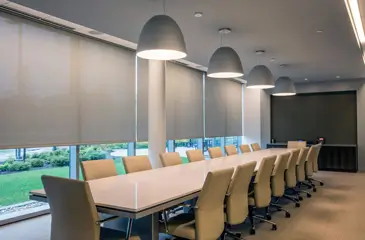
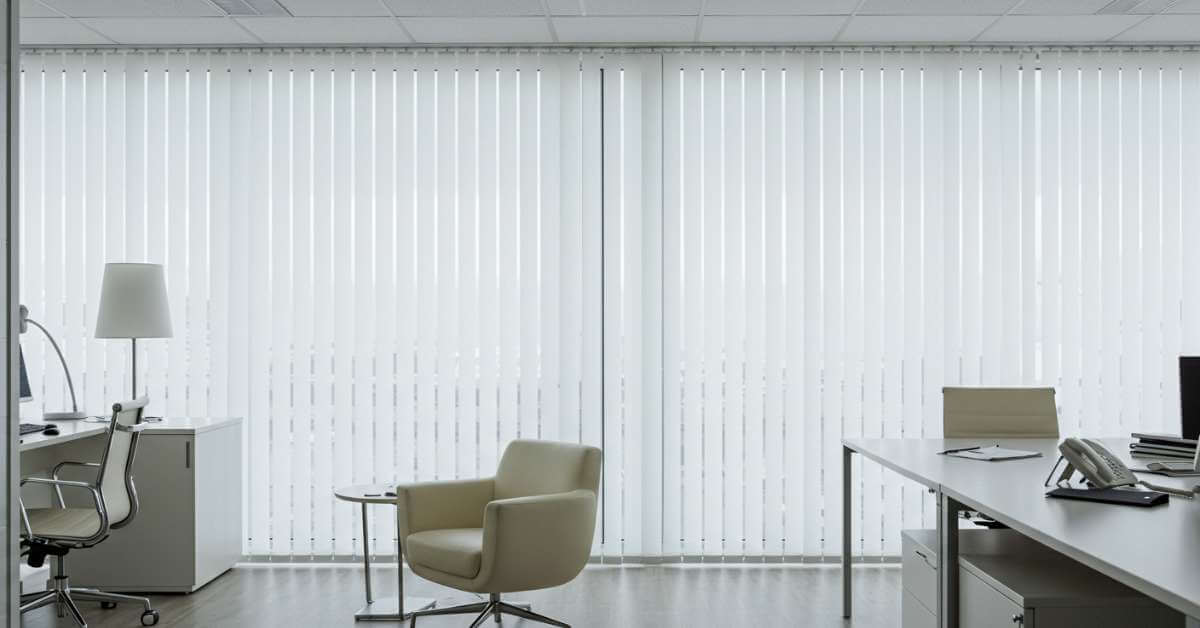
The right window treatments can transform a room from average to unforgettable. They set the tone for your interior design, influence light control, and impact everything from privacy to energy efficiency.
For Dallas homeowners, the decision often comes down to blinds vs. shades vs. shutters. Each offers its own mix of style, function, and performance, making the choice more than just a design decision—it’s about lifestyle. Knowing how they compare will help you find a solution that complements your home and daily routine.
This guide breaks down their differences so you can make a confident, informed choice.
Understanding Each Window Treatment
Blinds: Streamlined and Adjustable
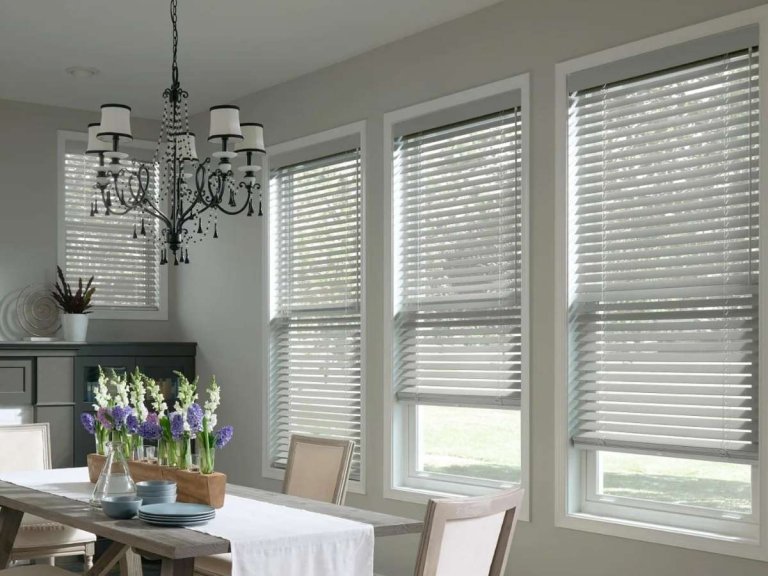
Blinds are known for their clean lines and precise light control. They use horizontal or vertical panels that tilt, raise, or lower to manage sunlight and privacy. With their versatile appearance, blinds work well in both modern and classic interiors. They’re also a popular choice for high-traffic spaces, thanks to their durability and ease of maintenance.
Shades: Soft and Seamless
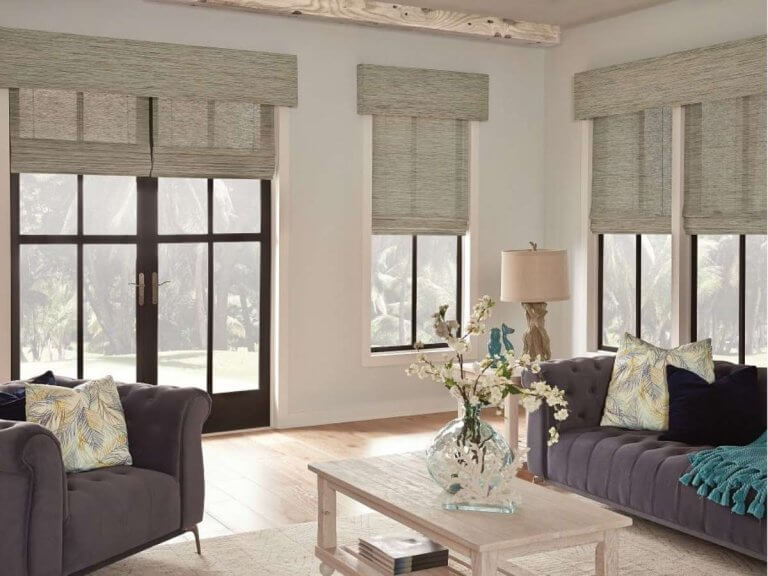
Shades provide a smooth, fabric-like covering that rolls, folds, or stacks when raised. They filter or block light without the segmented look of blinds, giving rooms a softer, more cohesive finish. Many shades come in energy-efficient designs, helping insulate windows and reduce heat gain during Dallas’s hotter months.
Shutters: Timeless and Sturdy
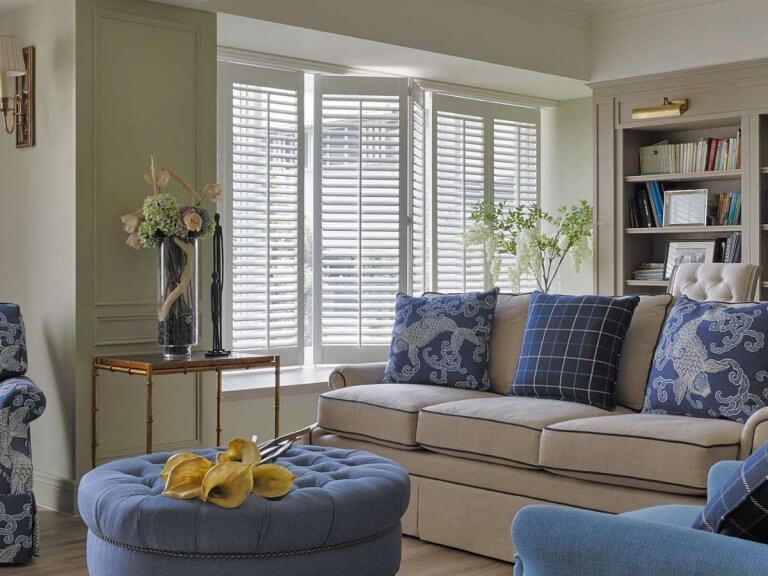
Shutters are solid, hinged panels that attach directly to the window frame. Their classic look suits a wide range of architectural styles, from traditional to contemporary. They’re also excellent for insulation and long-term durability, often lasting decades with proper care.
Blinds vs. Shades vs. Shutters: A Comparison
Feature | Blinds | Shades | Shutters |
Light Control | Highly adjustable | Moderate to full control | Excellent, full closure possible |
Privacy | Adjustable tilt for precision | Full coverage when lowered | Solid barrier when closed |
Energy Efficiency | Moderate | High (with certain materials) | High due to solid construction |
Durability | High with quality materials | Moderate to high | Very high |
Maintenance | Easy to wipe clean | Requires occasional deep cleaning | Minimal, occasional dusting |
Light Control and Privacy
Blinds for Precision
Blinds allow for exact adjustment of light levels, making them ideal for spaces where brightness needs to be fine-tuned throughout the day. They can block glare without completely shutting out natural light.
Shades for Soft Filtering
Shades create a softer lighting effect, diffusing sunlight while still protecting privacy. They’re great for living rooms, bedrooms, and offices where you want a calm, glare-free environment.
Shutters for Maximum Coverage
When closed, shutters block light almost entirely, offering unmatched privacy. This makes them especially effective in bedrooms and rooms facing the street.
Energy Efficiency and Insulation
Why Dallas Homes Benefit
With Texas summers bringing intense heat, energy-efficient window coverings are a smart investment. They help reduce cooling costs and protect interiors from sun damage.
- Shades: Cellular and other insulated designs trap air, reducing heat transfer.
- Shutters: Solid frames and louvers create a barrier against heat and cold.
- Blinds: Offer moderate insulation, especially when paired with other coverings.
Durability and Maintenance
- Blinds: Built to last, blinds hold up well in active households. A quick dusting or wipe-down keeps them looking clean and fresh.
- Shades: While shades may require more careful cleaning, they can still last for many years with proper care. Quality mechanisms help prevent wear from daily use.
- Shutters: Shutters are the most durable option. With minimal upkeep—just occasional dusting—they can remain in great condition for decades.
Cost and Installation Factors
Blinds are often the most budget-friendly, with fast installation times. Shades vary in price depending on material and design complexity. Shutters typically cost more upfront, but their longevity can make them a worthwhile investment over time.
Key Takeaways
- Blinds offer unmatched precision in light control.
- Shades create a soft, seamless look with insulation benefits.
- Shutters provide long-lasting durability and timeless appeal.
- Energy efficiency varies—shades and shutters often lead the way.
- Budget, maintenance, and style should guide your choice.
FAQs About Blinds vs. Shades vs. Shutters
1. Which is better for energy savings—blinds, shades, or shutters?
Shades and shutters typically outperform blinds in energy efficiency. Cellular shades, for example, have air pockets that trap heat, while shutters’ solid construction adds insulation. Blinds can still help reduce heat gain, but work best when combined with other treatments.
2. Are shutters worth the higher upfront cost?
Yes, if you’re looking for a long-term investment. Shutters can last for decades, require minimal maintenance, and often enhance a home’s resale value. Their timeless look also means they’re less likely to feel dated compared to trend-driven options.
3. Which window treatment is easiest to maintain?
Blinds are generally the easiest to clean—most can be dusted or wiped down in just a few minutes. Shutters also require minimal upkeep. Shades may need more occasional deep cleaning, especially if made from materials that collect dust or absorb odors.
Choose the Right Fit for Your Home
The decision between blinds vs. shades vs. shutters depends on your priorities—whether it’s light control, insulation, durability, or aesthetic style. Understanding these differences helps ensure your investment enhances both the beauty and function of your home.
Book an appointment with The Blind King today and let our experts guide you to the perfect custom window treatments for your Dallas home or office space.